Source Weight Stack Safety Pin for Gyms, Home, and Training
Compare 30 weight stack safety pin options from verified Chinese manufacturers. Buyers can evaluate steel models with custom sizes, black ring grips, and export packaging for fitness training and bodybuilding applications; compare the available evidence and request quotations based on your requirements.
Key considerations
Products List


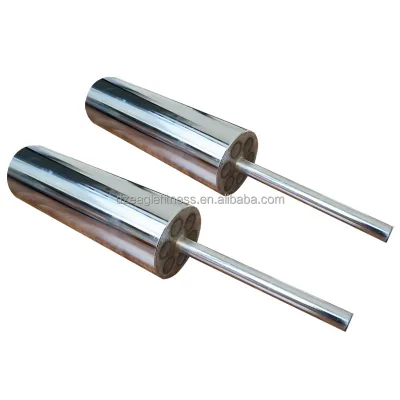


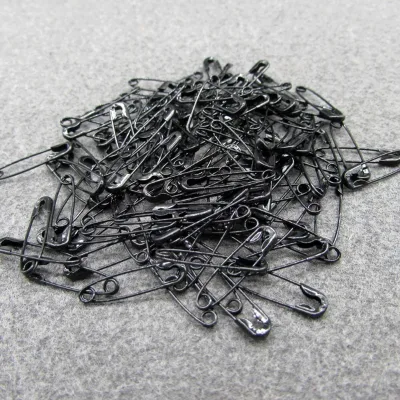

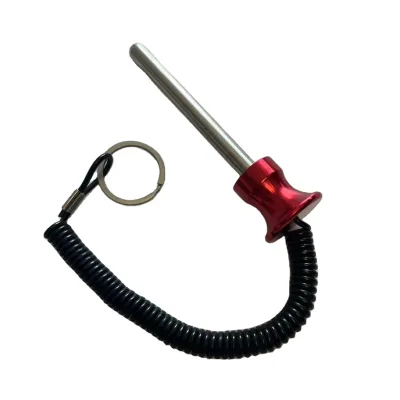
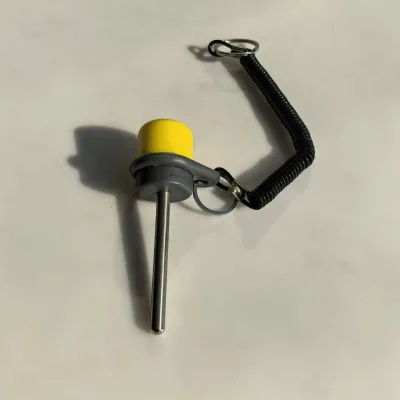


Comprehensive Sourcing Guide
Weight Stack Safety Pin Sourcing Guide
Procuring weight stack safety pins requires a disciplined approach to ensure gym equipment reliability and user safety. These components are critical for preventing accidental weight stack drops during high-intensity training sessions. Buyers must prioritize durability and precise fitment to maintain operational integrity in commercial fitness environments.
The market offers various configurations, including black ring grips and standard selector pins. Sourcing decisions should balance initial cost with long-term wear resistance. Steel construction is common, providing the necessary tensile strength for heavy loads. Understanding these material properties helps buyers select pins that withstand repetitive stress without deformation.
Product Scope and Observed Listing Signals
Current market listings indicate a diverse range of product attributes available to buyers. Observed price points vary significantly, reflecting differences in material quality and manufacturing complexity. Minimum order quantities typically start at one set, allowing for small-scale testing or replacement needs. This flexibility supports both individual gym owners and large-scale equipment manufacturers in their procurement strategies.
Product descriptions frequently highlight features such as portability and customized logo availability. Colors range from standard white to colorful options, catering to aesthetic preferences in modern fitness centers. The application scope extends beyond home gyms to include community parks and professional facilities. Buyers should verify these attributes against their specific operational requirements to ensure compatibility.
Technical Specifications to Verify
Dimensional accuracy is paramount when selecting weight stack safety pins. Standard sizes often include lengths of 80mm, 100mm, 105mm, 120mm, and 125mm. Diameter specifications commonly appear as 8mm or 10mm, directly influencing fitment within machine racks. Buyers must cross-reference these measurements with their existing equipment models to prevent installation failures.
Model numbers such as SP-WSP1, SP-WSP2, and EFc-022 denote specific design variations. Some listings reference rack-specific models like rack33-009, indicating specialized compatibility. Single package sizes and gross weights vary, impacting shipping logistics and storage requirements. Verifying these technical details ensures that ordered components integrate seamlessly into existing fitness infrastructure.
Compliance and Safety Documentation
Safety certifications provide assurance regarding product manufacturing standards. Listed certifications often include CE and ISO RoHS, indicating adherence to European safety and environmental directives. Buyers should request valid certification documents to verify compliance before finalizing purchases. These documents serve as critical evidence of regulatory adherence in international trade transactions.
Quality standards such as GB/T, DIN, BS, ASTM, JIS, and ISO may be referenced in product specifications. However, buyers must confirm which specific standards apply to their target markets. Documentation should clearly state the testing protocols used to validate pin strength and durability. Proper verification of these standards mitigates liability risks associated with equipment failure in public spaces.
Cost Drivers and Commercial Terms
Pricing structures are influenced by material costs, customization options, and order volume. Steel construction and black ring grips may command different price points based on market demand. Customized logos and specific color requirements can add to the unit cost. Buyers should analyze these variables to understand the total cost of ownership beyond the initial purchase price.
Commercial terms often include a 30% deposit with a 70% balance upon completion. Lead times typically range around twenty days after receiving the initial payment. Shipping methods usually involve sea freight for bulk orders, affecting delivery schedules. Understanding these financial and logistical terms helps buyers plan their inventory management and cash flow effectively.
Supplier Qualification and Quality Control
Supplier verification is essential to ensure consistent product quality and reliable delivery. Buyers should assess the supplier’s production capabilities and quality control processes. Origin locations such as Shandong and Nantong in China are common sources for these components. Verifying the supplier’s track record helps mitigate risks associated with inconsistent manufacturing standards.
Quality control measures should include rigorous testing of pin strength and surface finish. Suppliers accepting OEM requests offer flexibility for branded equipment manufacturers. Buyers should request samples to evaluate physical attributes like grip type and color consistency. Establishing clear quality expectations with suppliers ensures that delivered products meet operational safety requirements.
Long-Term Procurement Checks
Ongoing supplier performance monitoring is crucial for maintaining equipment reliability. Buyers should track warranty claims and product failure rates over time. A standard one-year warranty provides a baseline for expected product longevity. Analyzing warranty data helps identify potential quality issues early in the procurement cycle.
Regular audits of supplier documentation and certification status ensure continued compliance. Buyers should update their technical specifications as equipment models evolve. Maintaining a diverse supplier base reduces dependency on single sources. Continuous evaluation of market trends and product innovations supports strategic procurement decisions for long-term fitness facility management.
FAQs
What is a weight stack safety pin used for on gym machines?
A weight stack safety pin acts as a selector or lock pin that secures the weight stack at a chosen increment on gym machines. It prevents plates from moving unexpectedly during exercise and can extend the selectable range of the stack. Pins are typically steel, sized to match the machine's plate holes, and used in fitness training settings.
Which pin sizes are available for weight stack selector pins?
Listed products include diameters of 8mm and 10mm, with lengths of 80mm, 100mm, 105mm, 120mm, and 125mm. Some models are also described as 15cm x 1cm or 18cm x 50mm. Before ordering, measure the hole diameter of your machine's weight plates and the depth needed, then match the closest available length and diameter combination.
What material are these weight stack safety pins made from?
The listed weight stack extender pins are made of steel, which provides the strength needed to hold stacked plates securely during repeated training use. Steel pins suit indoor gym environments such as home, gymnasium, park, or community fitness equipment. Confirm surface finish and corrosion resistance requirements with the supplier if the equipment operates in humid conditions.
Can I order custom logo or OEM weight stack safety pins?
Yes, customization is available. The product pages state that OEM orders are accepted and customized logos can be applied. Customization typically applies to branding rather than pin geometry, so confirm any special size requirements separately. Packing can also follow customer requirements beyond standard carton or export carton packing, so state preferences when requesting quotes.
How many units do I need to order at minimum?
Minimum order requirements vary by listing, with observed MOQ values ranging from 1 set to 5000 pieces. Small trial orders may be possible for some models, while bulk listings target higher volumes. Always confirm the exact MOQ, unit price, and packaging for the specific pin size and model you need before placing a purchase order.
How long does shipping and delivery take after payment?
One listed lead time is shipment within 20 days after receiving the initial payment, with sea freight as the stated shipping method and payment structured as a 30 percent deposit and 70 percent balance. Delivery time to your destination will add transit time after dispatch. Confirm current lead times and shipping terms with the supplier for your order volume.